
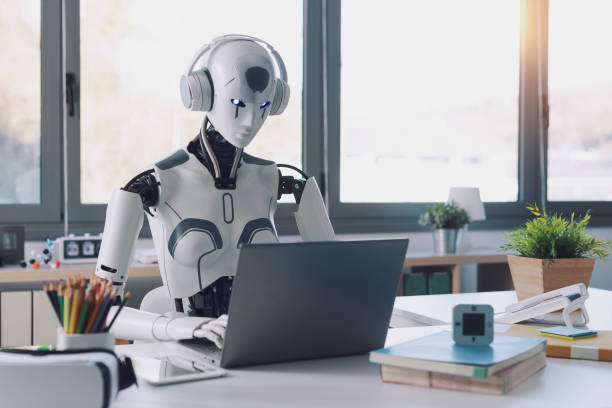
The future of work refers to how jobs, workplaces, and the skills required to succeed are changing rapidly in response to technology, societal shifts, and global trends. From the rise of automation and AI to remote and flexible work models, the way we work is being reshaped demanding adaptability, continuous learning, and a focus on skills that machines can’t replicate.
Technology and AI Transform the Workplace
The future of work is increasingly shaped by rapid technological advancements, especially artificial intelligence (AI) and automation. These technologies are moving beyond simple task support to being embedded into core business workflows, enabling tools that handle routine tasks and assist professionals across industries. While this increases efficiency, it also means that many traditional job functions are evolving or being redesigned with humans focusing more on creative, strategic, and interpersonal responsibilities.
Flexibility Through Remote and Hybrid Models
Remote and hybrid work models continue to gain traction. Rather than returning entirely to traditional office environments, many organisations are designing flexible work arrangements that balance remote work with in-person collaboration. These models not only support employee preferences for work-life balance but also allow companies to attract talent from global and distributed workforces, extending beyond geographic boundaries.
Skills Over Credentials
As technology reshapes tasks and job roles, skills are becoming more important than formal credentials. Employers are increasingly prioritising digital literacy, critical thinking, adaptability, and emotional intelligence when hiring or developing talent. This shift reflects the reality that human-centric skills complement technology and drive innovation, especially as organizations seek workers who can learn, adapt, and contribute to evolving workplace demands.
Employee Well-Being and Learning Culture
Future workplaces are placing greater emphasis on continuous learning, well-being, and employee experience. Organisations investing in upskilling and reskilling programs help employees stay relevant amidst rapid change, while initiatives supporting well-being contribute to higher engagement and retention.
Conclusion
The future of work won’t resemble a fixed destination, it’s an ongoing transformation driven by AI, flexible work models, and evolving employee expectations. Workers and organisations that embrace continuous learning, adapt to technological change, and prioritise human skills > technology will be best positioned to thrive in a more flexible, inclusive, and dynamic work environment.