

Looking Beyond the Paycheque
When considering a new role, most people focus on the immediate benefits. Salary, working hours, location, and job security are often at the top of the checklist. While these factors are important, they don’t tell the full story.
A question worth asking is: Is this simply a job, or could it become a career?
Understanding the Difference
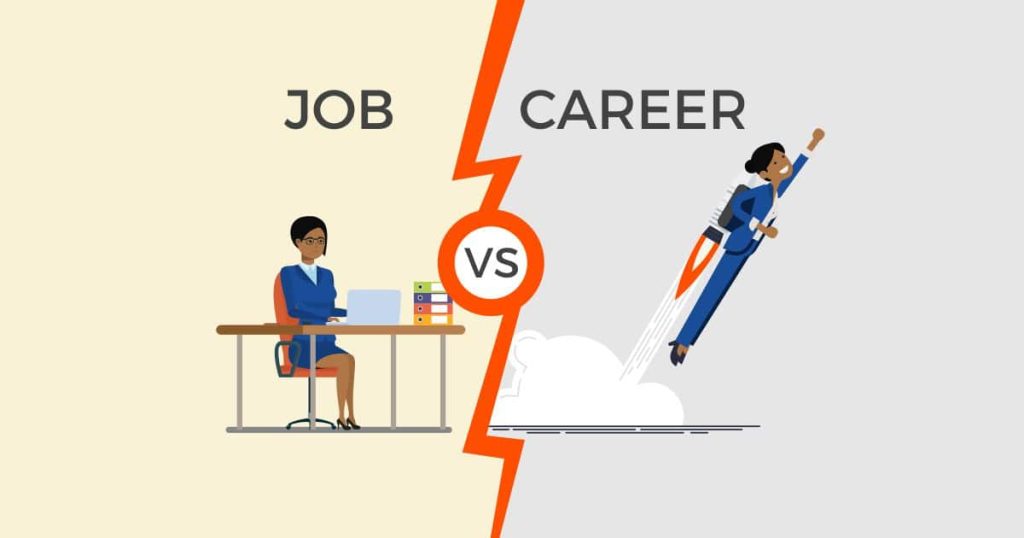
A job is something that provides income and stability. It serves a purpose and can help you gain valuable experience. A career, however, is a longer-term journey. It offers opportunities to learn, develop new skills, take on greater responsibility, and progress professionally.
The difference isn’t always obvious at first. Many successful careers start with what appears to be a standard role. What matters is whether there is room to grow and develop over time.
Signs of a Career Opportunity
When evaluating a position, look for indicators that suggest long-term potential. Does the employer offer training and development? Are there opportunities for promotion? Is the company invested in helping employees achieve their goals?
These are often signs that an organisation values its workforce and is committed to helping people build lasting careers rather than simply filling vacancies.
Why It Matters
Choosing a role with career progression can have a significant impact on your future. It can increase earning potential, improve job satisfaction, and provide a clearer sense of purpose. Working towards long-term goals often creates greater motivation and engagement in the workplace.
Think About Your Future
Not every role needs to be your dream job, but every role should move you closer to where you want to be. Whether you’re starting your career, changing industries, or seeking your next challenge, it’s important to think beyond the next payday.
The best opportunities don’t just offer a job today—they help build a career for tomorrow.