
The Remarkable Story Behind Texas’ Most Famous Building
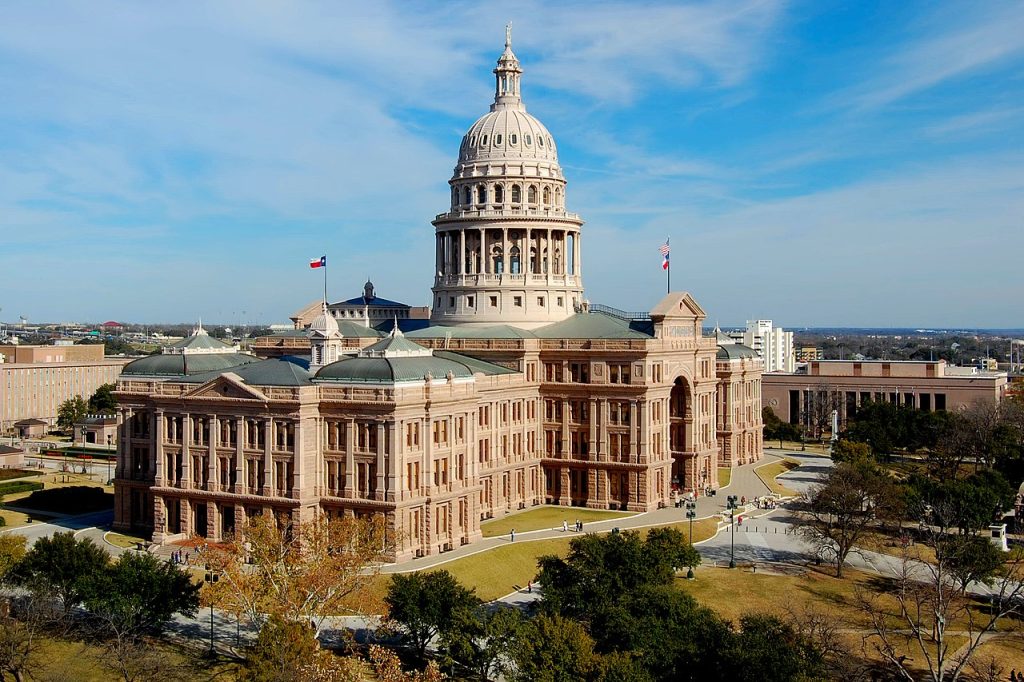
The iconic Texas State Capitol is one of the largest and most recognizable state capitol buildings in America. Yet few people know that its construction became the center of a national labor dispute and relied heavily on the skills of Scottish stonemasons from Aberdeen.
From controversial convict labor to a landmark court case, the story behind the Capitol’s construction is a fascinating chapter in both Texas and Scottish-American history.
Why Texas Abandoned Limestone for Granite
After the original Texas Capitol was destroyed by fire in 1881, state leaders sought a durable material for the replacement building. Initial plans called for local limestone, but its high iron content caused rapid discoloration and weathering.
The solution came in the form of “Sunset Red” granite from Granite Mountain near Marble Falls. While exceptionally strong and beautiful, granite was notoriously difficult to quarry and carve, creating a major labor challenge for the project.
Convict Labor and National Controversy
To reduce costs, Governor John Ireland approved the use of convict labor to quarry the stone and construct transportation infrastructure.
The decision sparked outrage from the Granite Cutters’ International Union, which condemned the use of prison labor and organized a nationwide boycott. As a result, unionized stonecutters across the United States refused to work on the Capitol project, bringing construction to a standstill.
Scottish Stonemasons Arrive in Texas
Facing a labor shortage, contractor Gustave Wilke recruited highly skilled granite workers from Aberdeen, often called the “Granite City” of Scotland.
In 1885, dozens of Scottish craftsmen crossed the Atlantic to help complete the Capitol. Their arrival triggered legal challenges under the newly enacted Foran Act, which restricted the importation of foreign workers under contract agreements.
Although some workers refused to continue after learning of the controversy, many remained and played a crucial role in shaping the building’s distinctive granite exterior.
A Lasting Scottish Legacy in Texas
The Texas State Capitol officially opened in 1888 and remains one of the most impressive examples of Renaissance Revival architecture in the United States. Many historians believe the Scottish stonemasons left personal builder marks hidden within the granite blocks, a tradition dating back centuries.
Today, the Capitol stands not only as a symbol of Texas government but also as a testament to the craftsmanship, resilience, and lasting influence of Scottish immigrants in America.