
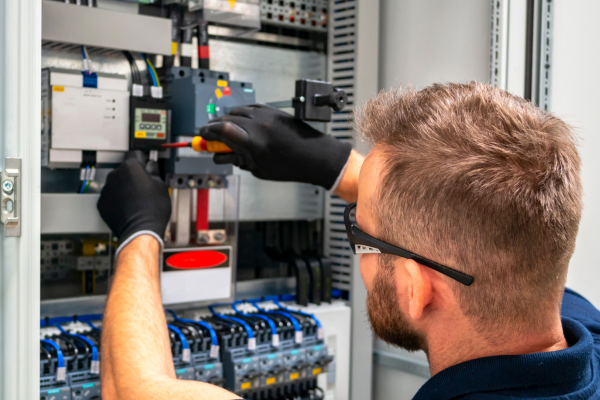
Electricians are essential to the safe and efficient operation of commercial and industrial facilities. Their work goes far beyond simply wiring a building; it involves installing, maintaining, and troubleshooting complex electrical systems that power machinery, lighting, and critical infrastructure.
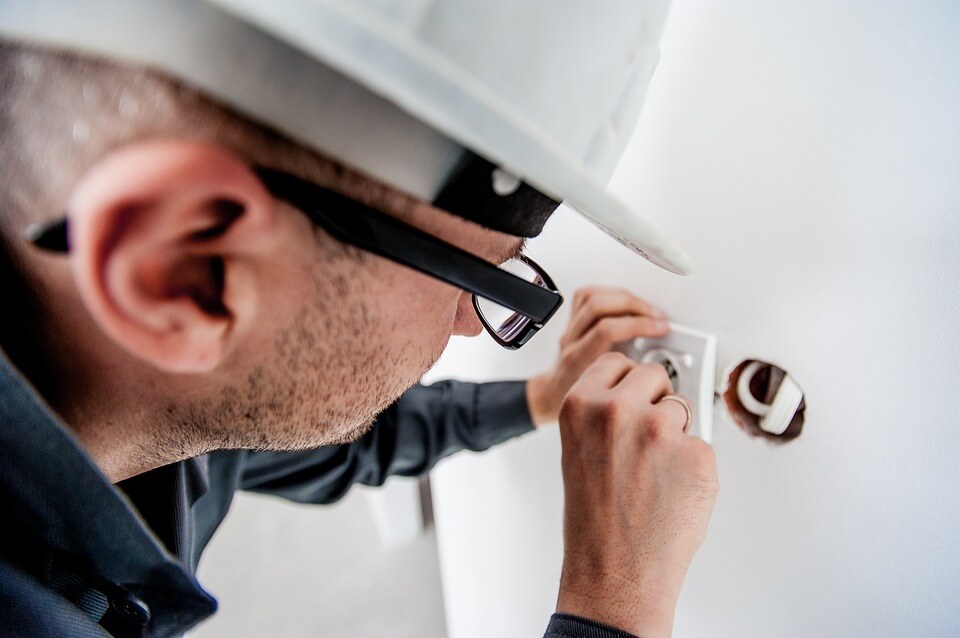
Maintaining Safety and Efficiency
In commercial and industrial environments, the stakes are high. Equipment downtime can cost thousands, and electrical faults can pose serious safety risks. Experienced electricians carry out inspections, testing, and fault-finding to identify potential problems before they escalate. Planned preventative maintenance (PPM) is a key part of their role, helping to extend the life of electrical systems and avoid unexpected breakdowns.
Installation, Commissioning, and Troubleshooting
Electricians are involved in every stage of an electrical system’s life cycle. They install and commission new systems, modify existing setups, and ensure all installations comply with current safety standards, such as the 18th Edition IEE Wiring Regulations. When faults occur, they troubleshoot and repair issues across plant and site equipment, using both technical knowledge and practical skills to restore operations quickly.
Working as Part of a Multi-Skilled Team
Modern industrial sites rely on collaboration. Electricians often work alongside engineers, mechanical fitters, and other trades to complete projects efficiently. Accurate documentation, adherence to safe isolation procedures, and high standards of housekeeping are crucial to maintaining a safe and productive work environment.
Training and Professional Development
Continued learning is a hallmark of the trade. Training opportunities, such as CompEx certification or City & Guilds qualifications, help electricians stay up to date with industry standards and advance their careers. Skilled electricians not only ensure systems run smoothly—they also contribute to the long-term reliability and safety of commercial and industrial operations.