Civil engineering plays an important role in modern life. It is the branch of engineering responsible for designing, building, and maintaining the infrastructure we depend on every day, from the roads we drive on and the bridges we cross, to the buildings we work in and the water systems that keep communities functioning.
By combining physics, mathematics, and materials science, civil engineers create safe, efficient, and sustainable solutions that support society now and into the future.

Civil engineering covers a wide range of specialisms, each playing a vital role in shaping our built environment.

Road and bridge projects are complex, large-scale undertakings that demand a mix of technical knowledge and strong organisational skills. Engineers must carry out detailed surveying and site investigations before designing structures using steel, concrete, and prestressed systems. Materials testing, pavement design, traffic engineering, and load calculations all play a key role in ensuring long-term performance.
Just as important are project management skills. Cost control, scheduling, risk management, and health and safety compliance help keep projects on time, within budget, and safe for everyone involved. Clear communication between engineers, contractors, regulators, and the public is essential for smooth project delivery.
Steel is a critical material in many civil engineering projects, particularly bridges and large structures. Specialist trades work together to ensure every steel component is installed correctly. Reinforcement fixers cut, bend, and tie rebar for concrete elements, while structural steel erectors assemble large steel sections such as girders and trusses. Welders, riggers, and crane operators support these operations by joining components and safely lifting heavy loads into position.
Strong coordination between these roles ensures structural accuracy, safety, and efficiency on site.
Concrete: The Backbone of Roads and Bridges
Concrete is one of the most widely used materials in civil engineering, especially in road pavements and bridge decks. The process begins with mix design engineers and materials technicians, who ensure the concrete meets strength, durability, and workability requirements. Formwork carpenters and reinforcement fixers then prepare molds and steel reinforcement before concrete is placed.
During construction, pump operators deliver concrete to difficult locations, while finishers create smooth, durable surfaces. Proper curing is essential to prevent cracking and achieve long-term strength. Inspectors and testing technicians monitor quality throughout the process, with specialist teams handling prestressed, shotcrete, or high-performance concrete for more demanding structures.

The General Construction Skills That Keep Projects Moving
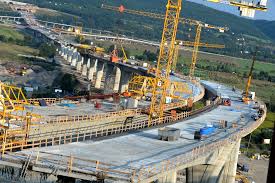
Behind every successful road or bridge project is a wide range of general construction skills. Surveyors set out alignments and levels, earthworks teams shape the ground, and plant operators run heavy machinery such as excavators, cranes, and rollers. Paving crews, drainage specialists, and quality control teams ensure the finished infrastructure performs as intended.
Safety management, compliance with regulations, and effective site supervision tie everything together, allowing multiple trades to work efficiently toward a common goal.
Bringing It All Together
Civil engineering projects succeed when technical expertise, skilled trades, and strong project coordination come together. Roads and bridges are not just built, they are carefully planned, tested, and constructed to serve communities safely and reliably for decades. It is this combination of knowledge, teamwork, and problem-solving that makes civil engineering such a vital and impactful profession.